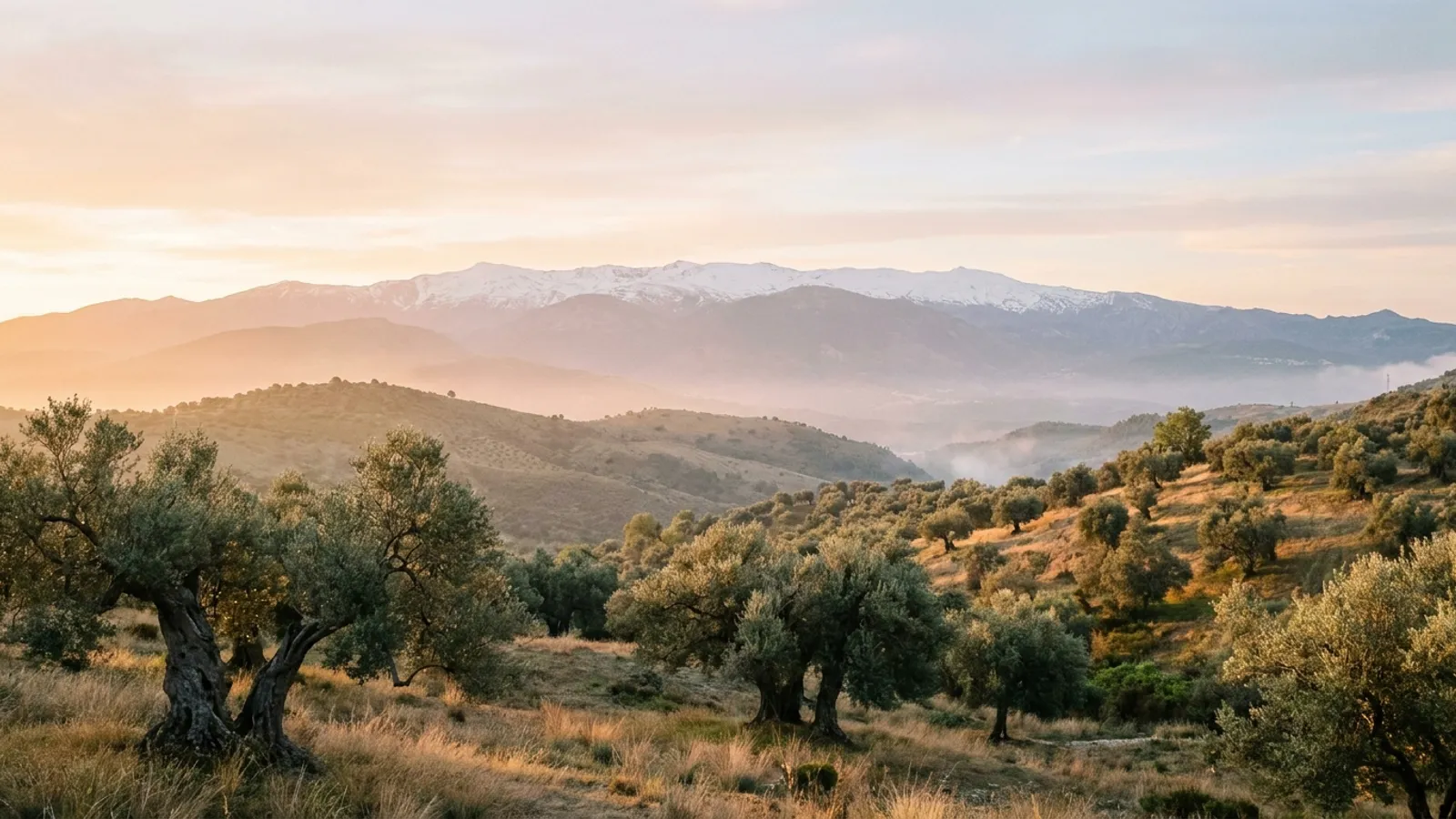
Cultivating Self-Love on Your Spiritual Journey in Granada
Embarking on a spiritual journey, particularly in a location as historically rich and naturally beautiful as Granada, often brings with it a profound desire for transformation and inner peace. Yet, for many, the concept of 'self-love' remains an elusive ideal rather than a tangible practice. It is, however, an absolutely foundational element for any truly meaningful spiritual path. Without a compassionate relationship with oneself, the pursuit of enlightenment or inner harmony can become another form of self-criticism or an endless quest for external validation. This article delves into the importance of self-love on a spiritual journey and outlines actionable practices to cultivate it, both during a dedicated retreat and in your daily life thereafter.
The Indispensable Role of Self-Love in Spiritual Growth
Many spiritual traditions, from ancient philosophies to contemporary mindfulness movements, implicitly or explicitly underscore the necessity of self-acceptance and self-compassion. Far from being a narcissistic indulgence, genuine self-love is the bedrock upon which authentic spiritual growth is built. It involves recognising your inherent worth, acknowledging your imperfections without judgment, and treating yourself with the same kindness and understanding you would offer a cherished friend. When this foundation is absent, spiritual practices can inadvertently become another arena for self-critique. We might judge our meditation performance, our ability to forgive, or our perceived 'lack' of spiritual progress. This constant internal commentary hinders rather than helps, creating a barrier to genuine connection and inner peace.
A spiritual retreat in Granada offers a unique opportunity to step away from the demands of everyday life and dedicate time to this crucial inner work. The focused environment, often away from distractions, allows for introspection that is difficult to achieve otherwise. It provides the space to confront limiting beliefs and patterns that prevent self-love from flourishing. Understanding that self-love is not about ego, but about cultivating a healthy, respectful relationship with your own being, is the first critical step.
Mindfulness and Self-Compassion: Core Self-Love Practices
Mindfulness, the practice of being present and aware, is a powerful gateway to self-love. When we are mindful, we observe our thoughts and feelings without getting entangled in them. This creates a distance that allows for non-judgmental awareness. For instance, during a meditation session on a spiritual retreat in Granada, you might notice a critical thought about yourself arise. Instead of immediately believing it or chastising yourself for having it, mindfulness teaches you simply to observe it, acknowledge its presence, and let it pass. This simple act is profoundly liberating and chips away at deeply ingrained patterns of self-criticism.
Building on mindfulness, self-compassion involves actively extending kindness to oneself, especially during moments of perceived failure, inadequacy, or suffering. Dr. Kristin Neff, a leading researcher in the field, outlines three core components of self-compassion: self-kindness (treating yourself warmly), common humanity (recognising that suffering and imperfection are part of the shared human experience), and mindfulness (observing your suffering without over-identifying with it). Practical exercises include placing a hand on your heart when feeling distressed and offering yourself comforting words, or writing a compassionate letter to yourself. These practices help to rewire the brain's response to stress and internal criticism, fostering a more nurturing inner dialogue.
Journaling and Reflection: Unveiling Inner Truths
Journaling is an invaluable tool for cultivating self-love, particularly during and after a spiritual retreat. It provides a private space to explore your thoughts, feelings, and experiences without censorship. Regular journaling can help you identify patterns of self-criticism, understand their origins, and challenge their validity. Consider these prompts:
- What aspects of myself do I struggle to accept, and why?
- When do I feel most loving towards myself? What was happening in those moments?
- If I were my own best friend, what advice or comfort would I offer myself right now?
- What limiting beliefs about myself am I ready to release?
Beyond identifying challenges, journaling can also be a powerful way to acknowledge your strengths, celebrate small victories, and express gratitude for your journey. This act of conscious appreciation reinforces positive self-perception and strengthens the muscles of self-love. Dedicate specific time each day, perhaps first thing in the morning or before bed, to this reflective practice. The solitude and contemplative atmosphere often found on a retreat in Granada can significantly deepen the insights gained through journaling.
Embracing Imperfection and Setting Healthy Boundaries
A significant barrier to self-love is the pervasive societal pressure to be 'perfect' or to constantly strive for an idealised version of ourselves. Spiritual journeys are not about achieving perfection, but about embracing our wholeness, which inherently includes our imperfections. True self-love means accepting all parts of yourself – the light and the shadow – with understanding and grace. This acceptance liberates immense energy that was previously spent on self-judgment and striving. When you embrace your imperfections, you stop comparing yourself to others and begin to appreciate your unique path and pace.
Furthermore, self-love manifests practically in setting healthy boundaries. This involves knowing your limits, honouring your needs, and communicating them clearly to others. It means saying 'no' when necessary, protecting your energy, and prioritising your well-being. This is not selfish; it is an act of self-preservation and self-respect. Learning to set boundaries, whether it's regarding your time, energy, or emotional space, is a profound expression of valuing yourself. It ensures that your spiritual journey is sustainable and genuinely nourishing, rather than another source of depletion.
Post-Retreat Integration: Sustaining Self-Love in Daily Life
The insights and practices cultivated during a spiritual retreat are most impactful when integrated into daily life. Self-love is not a destination but an ongoing practice. After returning from Granada, consider these strategies for sustained self-love:
- Daily Self-Compassion Break: Take a few minutes each day to check in with yourself, acknowledge any difficulties, and offer yourself kindness.
- Mindful Self-Care Rituals: Incorporate practices like mindful eating, gentle movement (yoga, walking), or a calming evening routine that signals to yourself that you are worthy of care.
- Connect with Nature: Spend time outdoors. The natural beauty of Granada is a powerful reminder of interconnectedness and can foster a sense of peace and belonging.
- Positive Affirmations: Use affirmations that resonate with you, such as "I am worthy of love and happiness" or "I accept myself completely."
- Seek Supportive Community: Surround yourself with people who uplift and respect you, and who understand the value of self-love on a spiritual path.
Remember, the journey of self-love is cyclical, with moments of ease and moments of challenge. The goal is not to eliminate self-criticism entirely, but to develop the tools and resilience to meet it with kindness and understanding, consistently returning to a place of inner acceptance.
The featured retreat
Our independent guide offers carefully curated spiritual retreats in Granada, each designed to support your journey towards self-discovery and profound inner peace. Explore options that integrate mindfulness, self-compassion, and reflective practices, providing the ideal setting to cultivate lasting self-love.